Guides
Car care guides
Plain answers to the jobs every car needs, with how often and why. Typical intervals, and your manual wins.
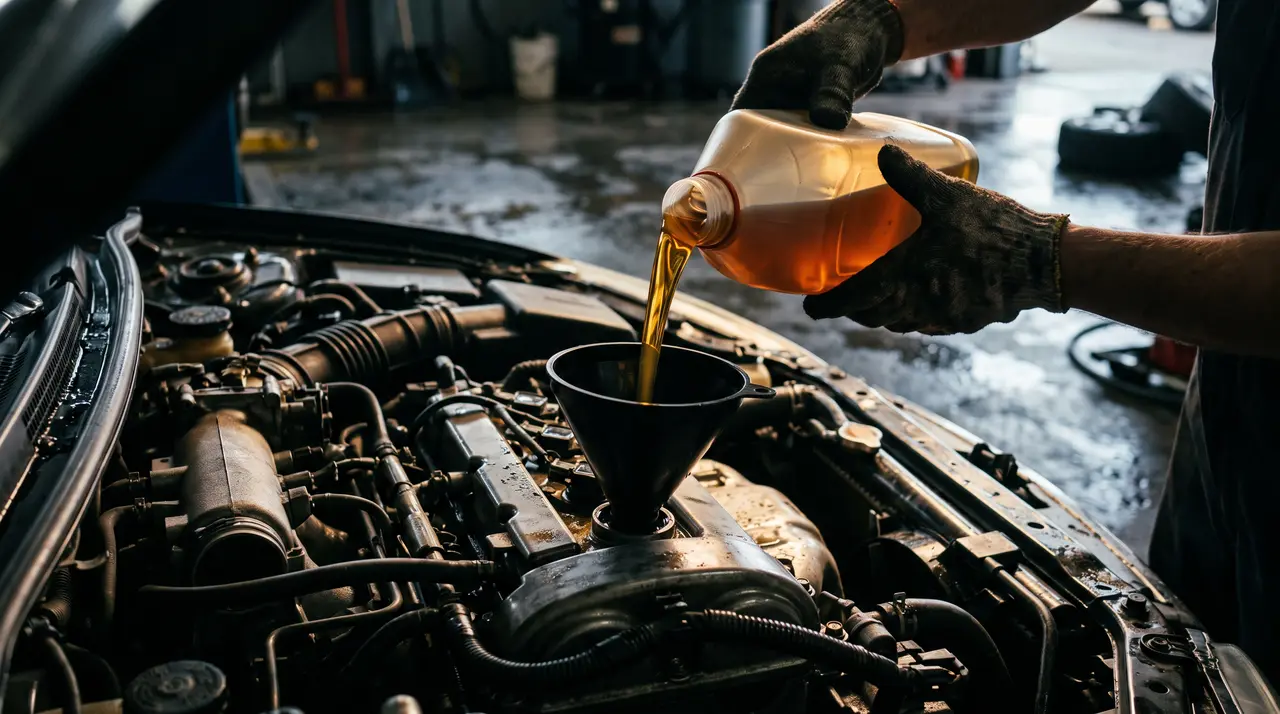
How often to change your oil
Most modern cars go 5,000 to 10,000 miles between oil changes, or 6 to 12 months, whichever comes first. How to find your number and when to go sooner.
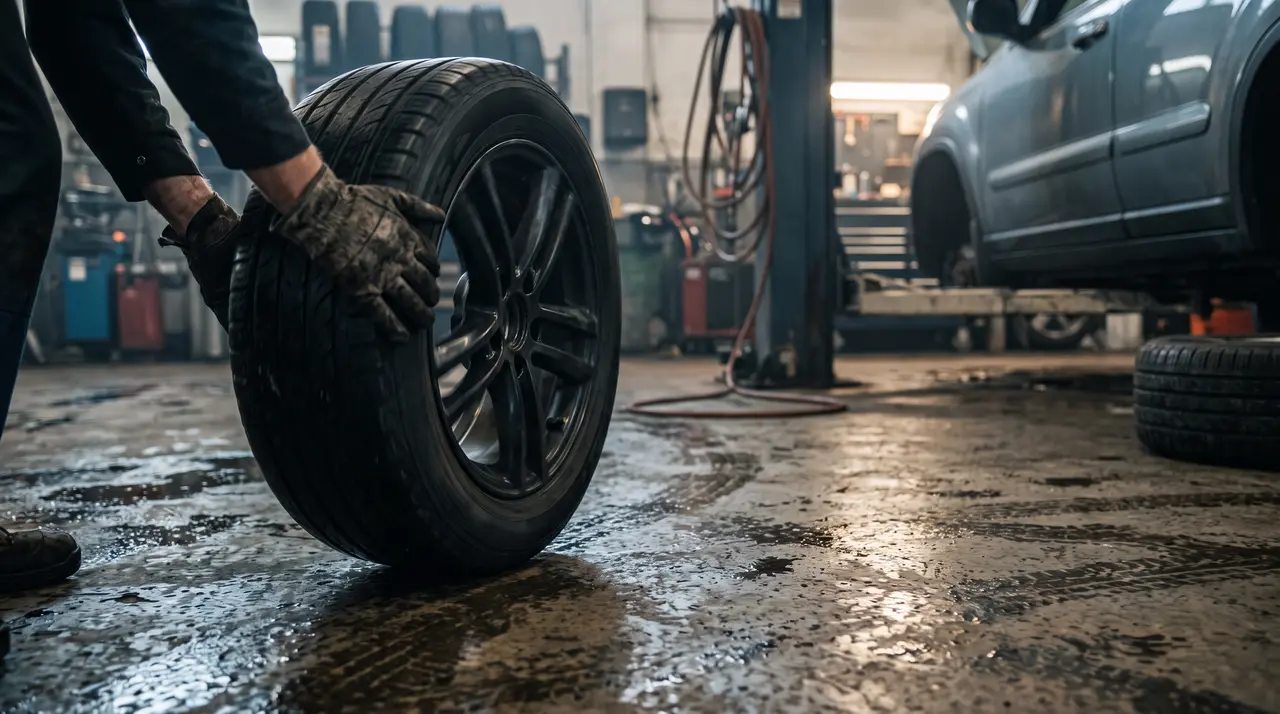
Tire rotation: how often and which pattern
Rotate tires every 5,000 to 8,000 miles so they wear evenly. The pattern depends on front, rear or all-wheel drive and whether the tires are directional.
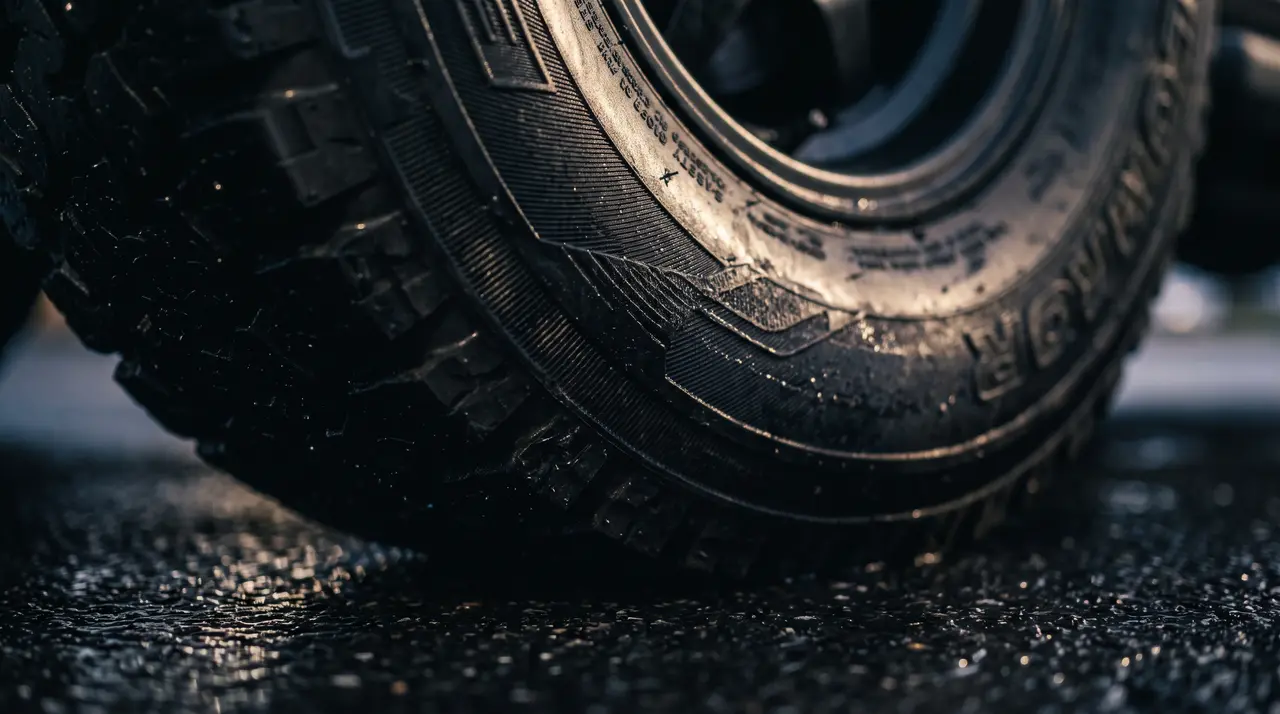
How to read a tire DOT date
The last four digits of the DOT code on a tire's sidewall are the week and year it was made. Here's how to find it and how old is too old.

Normal vs severe service schedule
Most owner's manuals have two maintenance schedules. Short trips, traffic, towing and extreme heat or cold put you on the severe one.
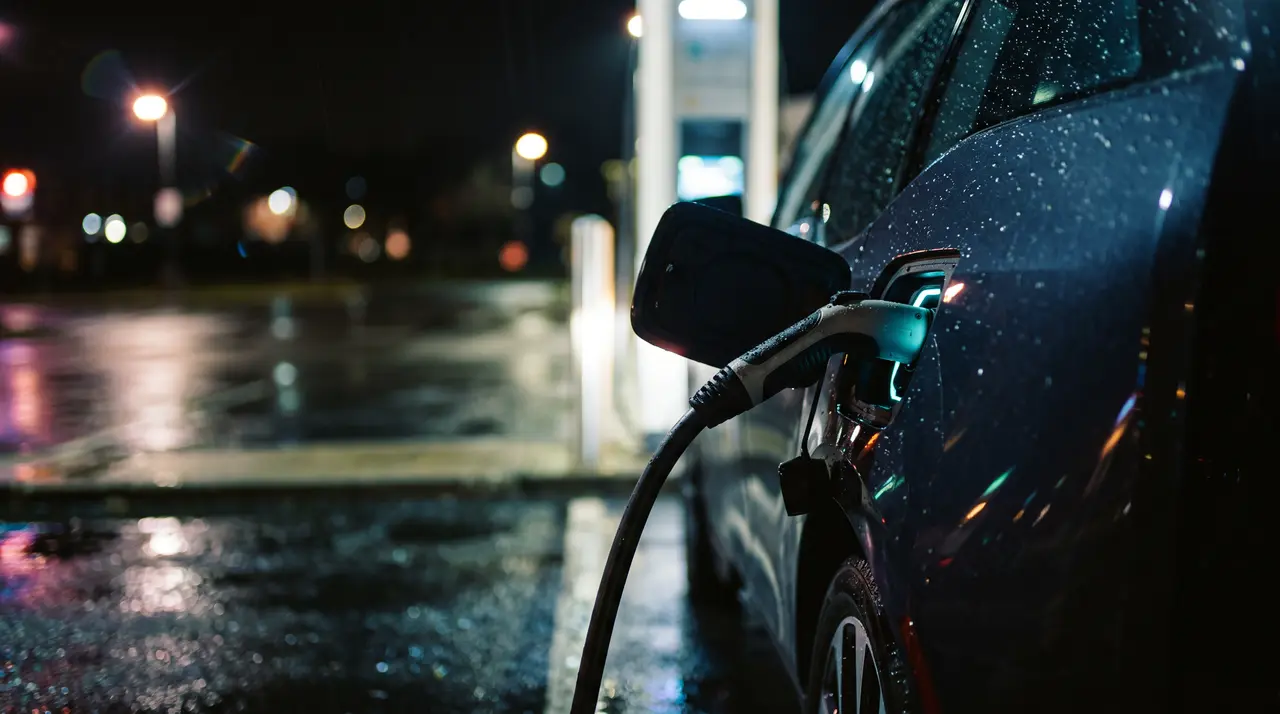
What maintenance does an EV need?
Electric cars skip oil changes but still need tire rotation, brake fluid, cabin filters, a 12V battery and brake caliper care. A plain list.
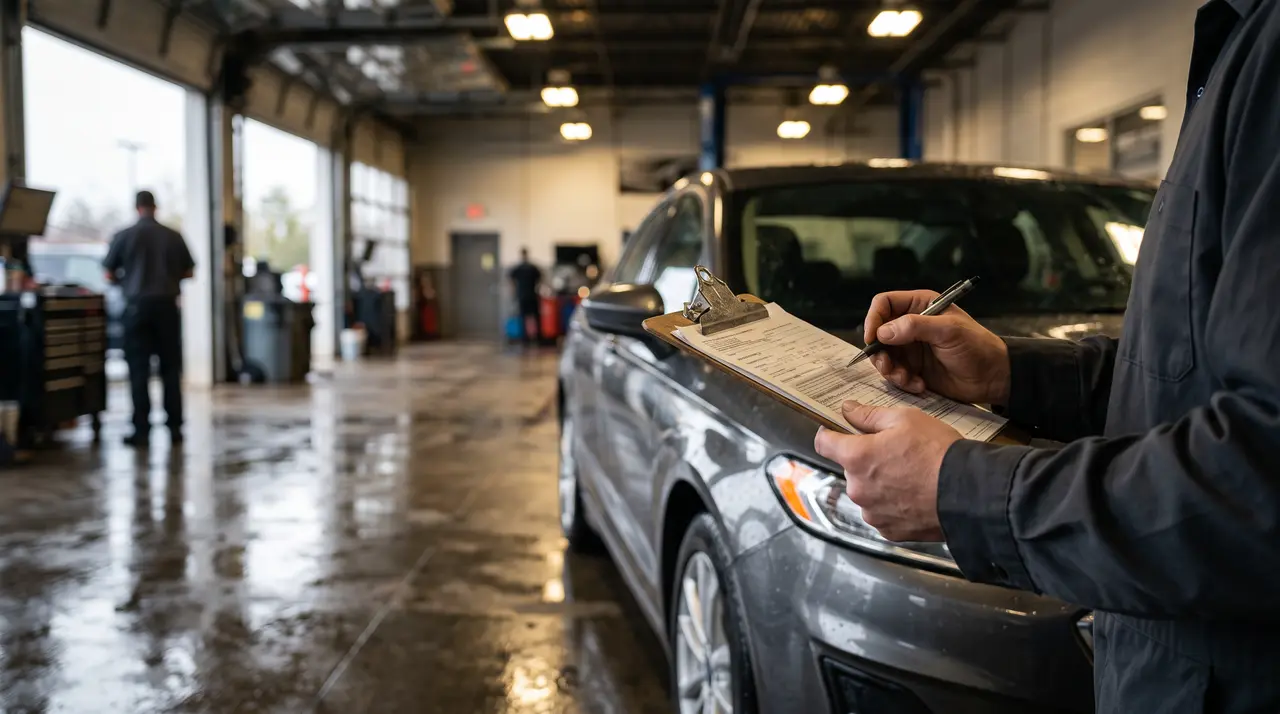
How to check for recalls on your car
Check for open safety recalls in two minutes with your 17-character VIN at nhtsa.gov/recalls. Recall repairs are free at a dealer, even on a used car.

What to do after a car accident
A calm, step-by-step checklist for the minutes after a car accident: get safe, call for help, what to photograph, what to exchange and what not to say.

Rideshare car maintenance checklist
Rideshare and delivery driving wears a car out faster. A checklist of daily, weekly and by-the-mile jobs, plus the records worth keeping.
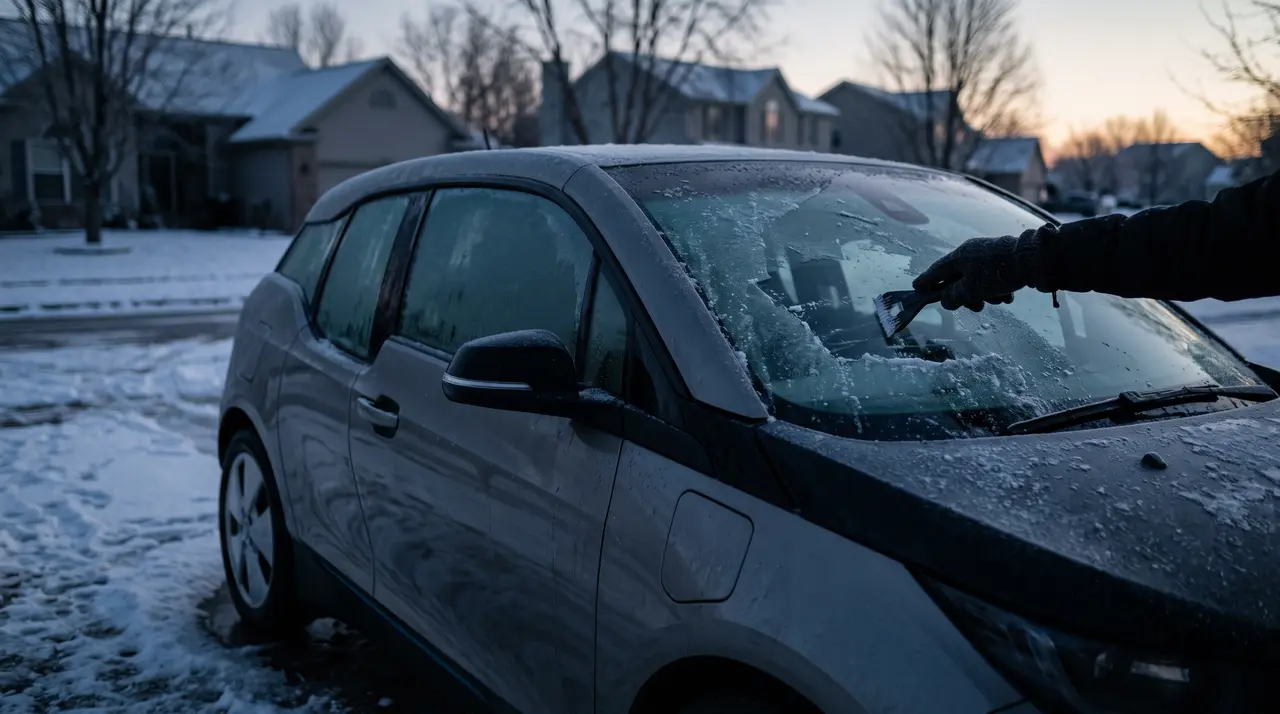
Getting your car ready for winter
A fall checklist to get a car ready for winter: battery, tires, wipers, coolant, lights and an emergency kit. About an hour, most of it in your driveway.
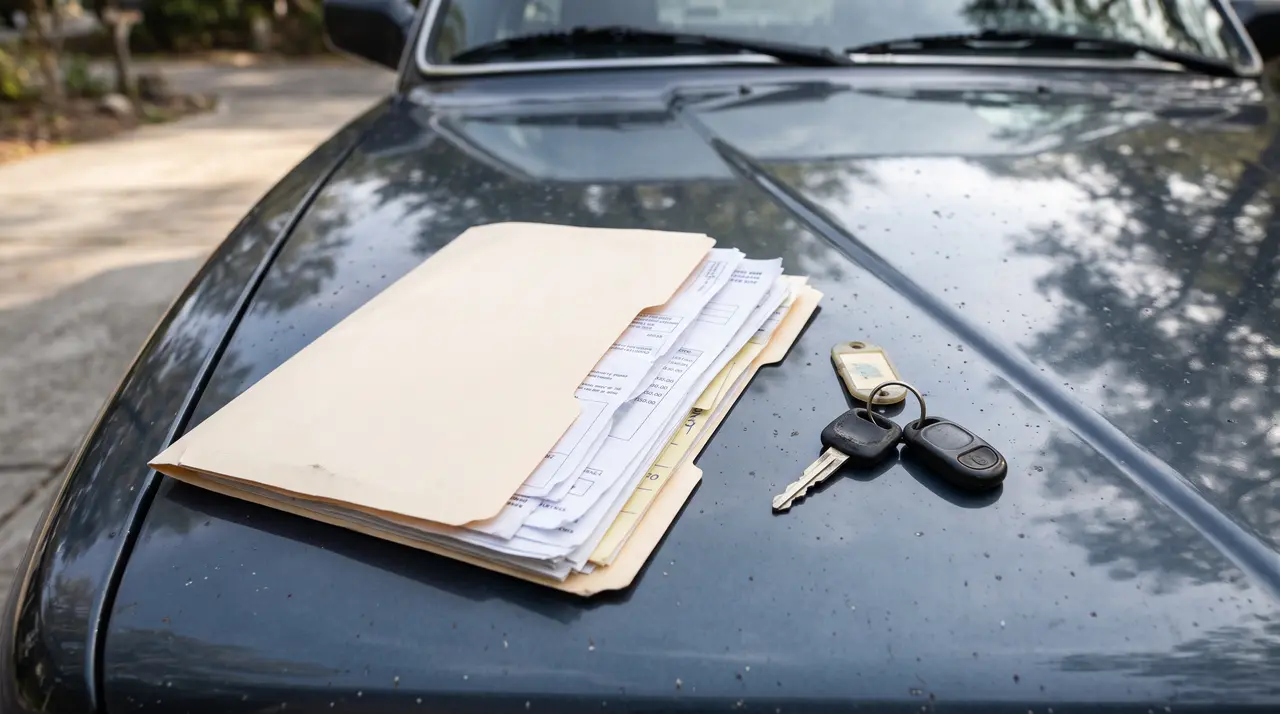
Selling your car with service records
Buyers pay more, and decide faster, for a car with proof it was looked after. What records to gather, what to fix first and what to hand over.

Supervised driving hours: how to keep a log
Most US states ask new drivers to log supervised practice hours, with some at night. What to record, how to plan the hours and how to make practice count.

Dashboard warning lights explained
Red means stop safely. Amber means check it soon. Green and blue just tell you something is on. What the common dashboard lights mean and what to do.
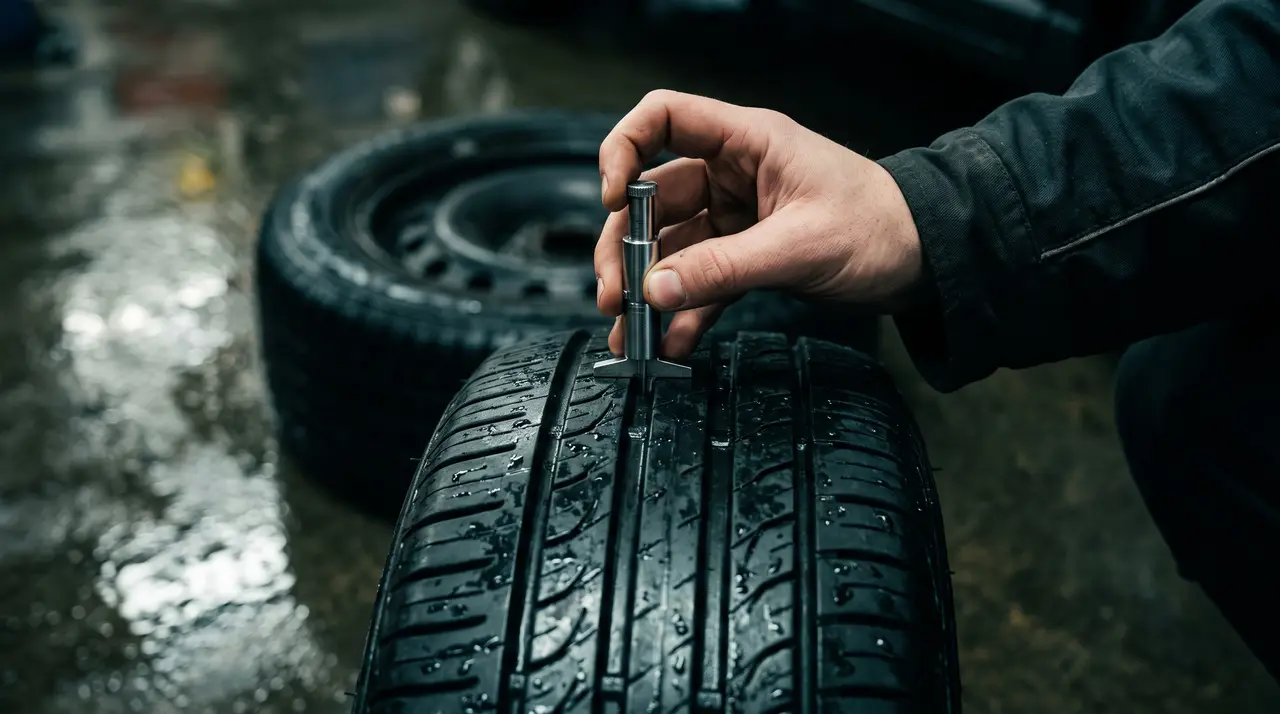
How to read tire tread depth
New tires start around 10/32 of an inch. Start shopping at 4/32 and replace at 2/32. How to measure with a gauge or a coin, and what uneven wear means.
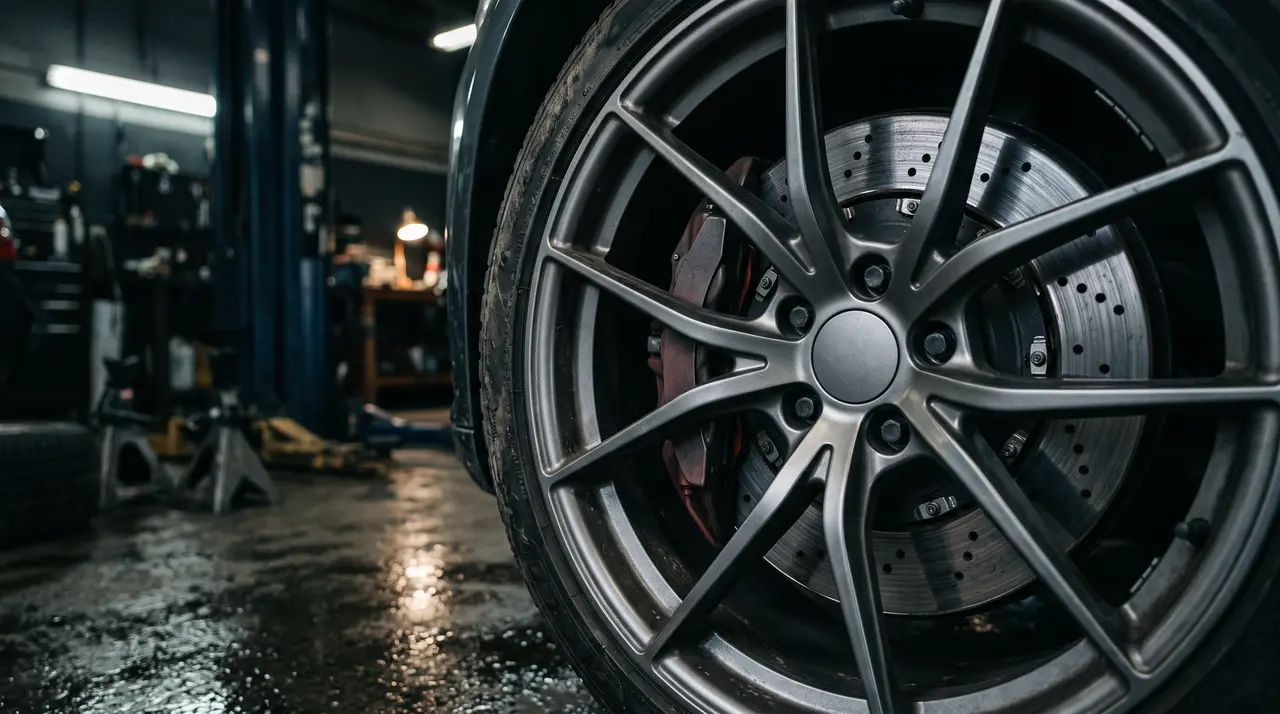
Brake pads and rotors: when to replace
Most brake pads last 30,000 to 70,000 miles. Replace them at about 3 mm of pad left. The signs to listen for, and when rotors need replacing too.
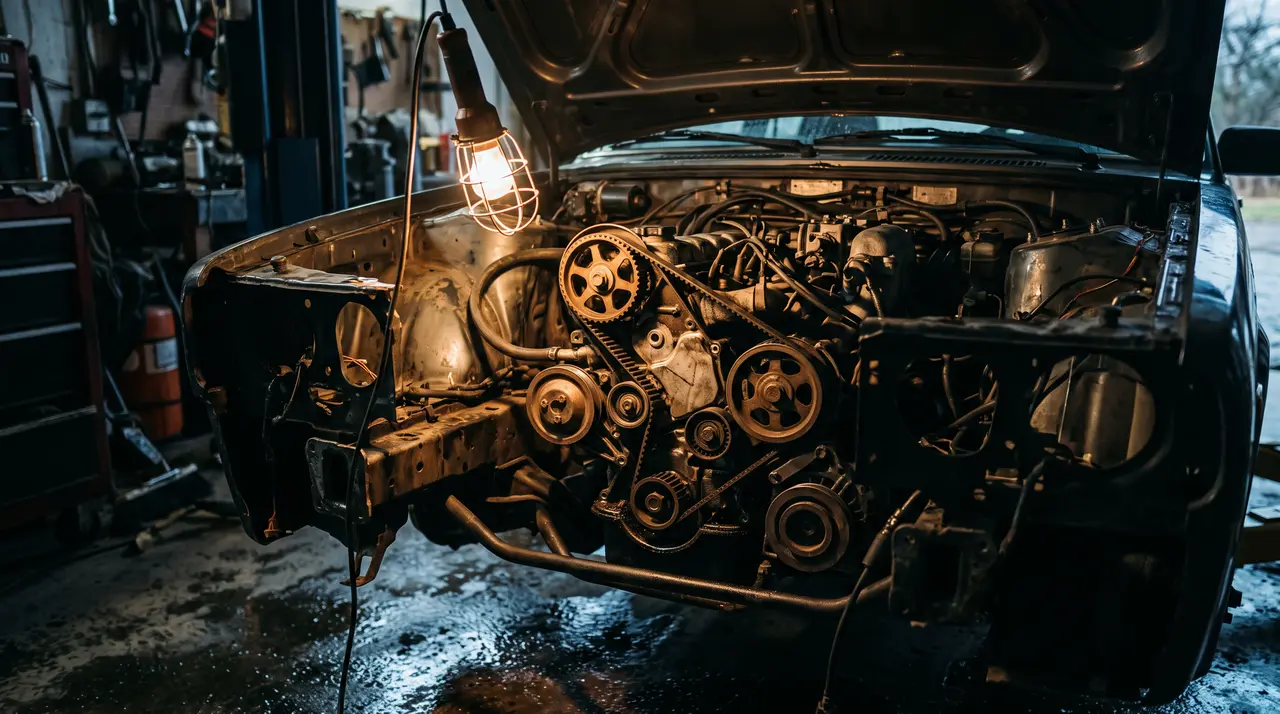
What a timing belt is and why it matters
A timing belt keeps the engine's valves and pistons in step. It gives no warning before it breaks, and a break can wreck the engine. When to change it.
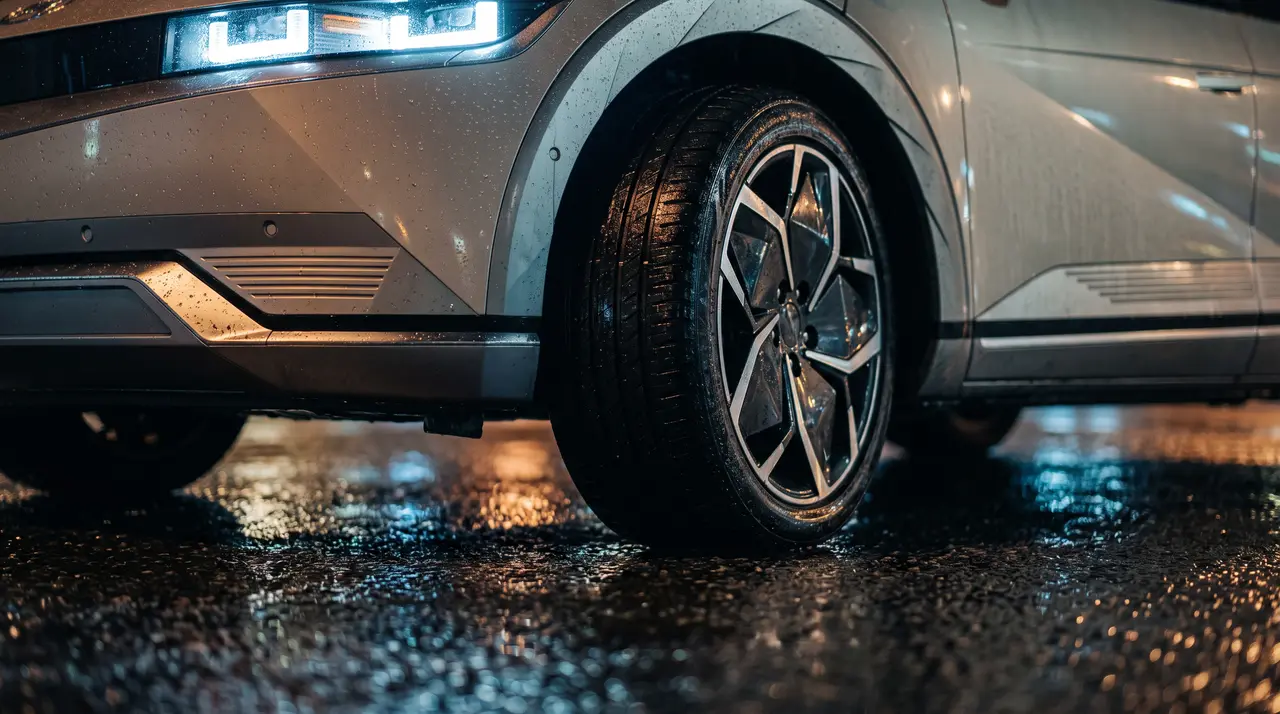
Why EV tires wear faster
Electric cars are heavier and deliver full torque at once, so their tires wear faster. How much faster, and four habits that make them last.

How to store a car, motorcycle or boat for winter
Fill the tank and add stabilizer, change the oil, keep the battery on a tender, protect the tires and keep pests out. A winter storage checklist.
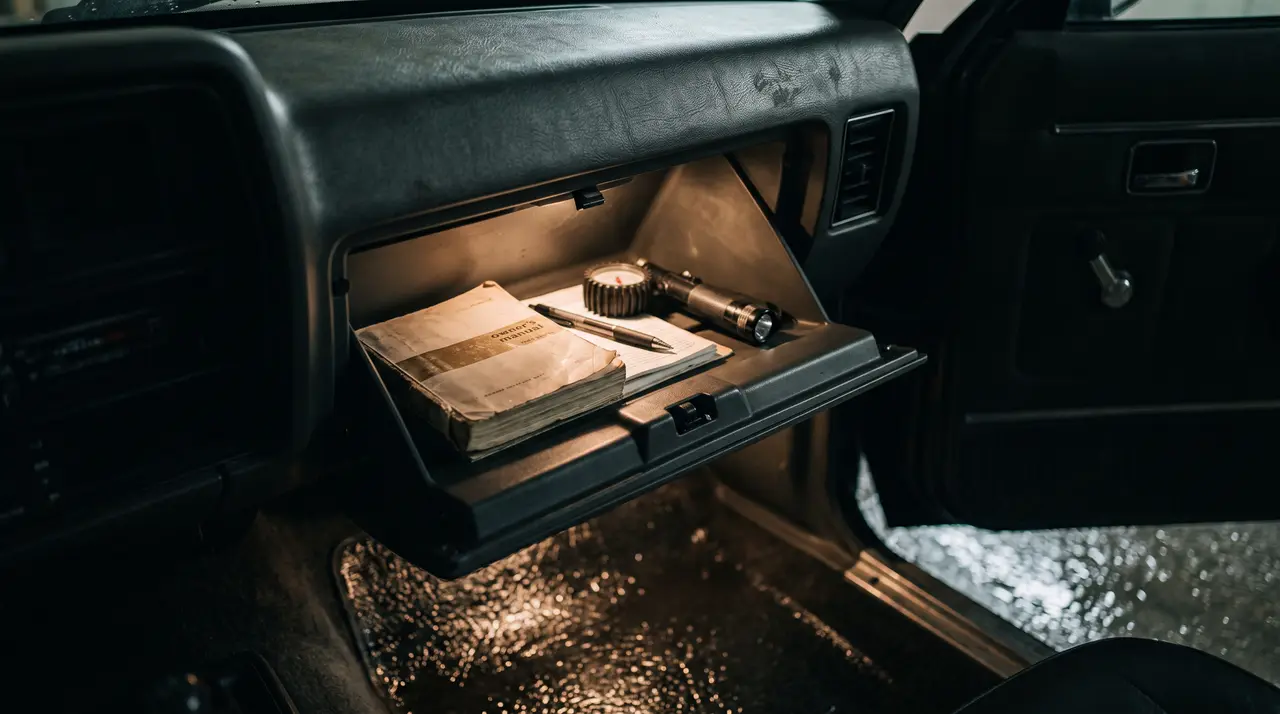
What to keep in your glovebox
Registration, proof of insurance, the owner's manual, a pen, a tire gauge and an emergency contact card. And three things that should never live there.

How to prepare your car for a road trip
A week before: tires, oil, coolant, brakes, lights and wipers. The day before: pressures, washer fluid and an emergency kit. A plain road trip checklist.
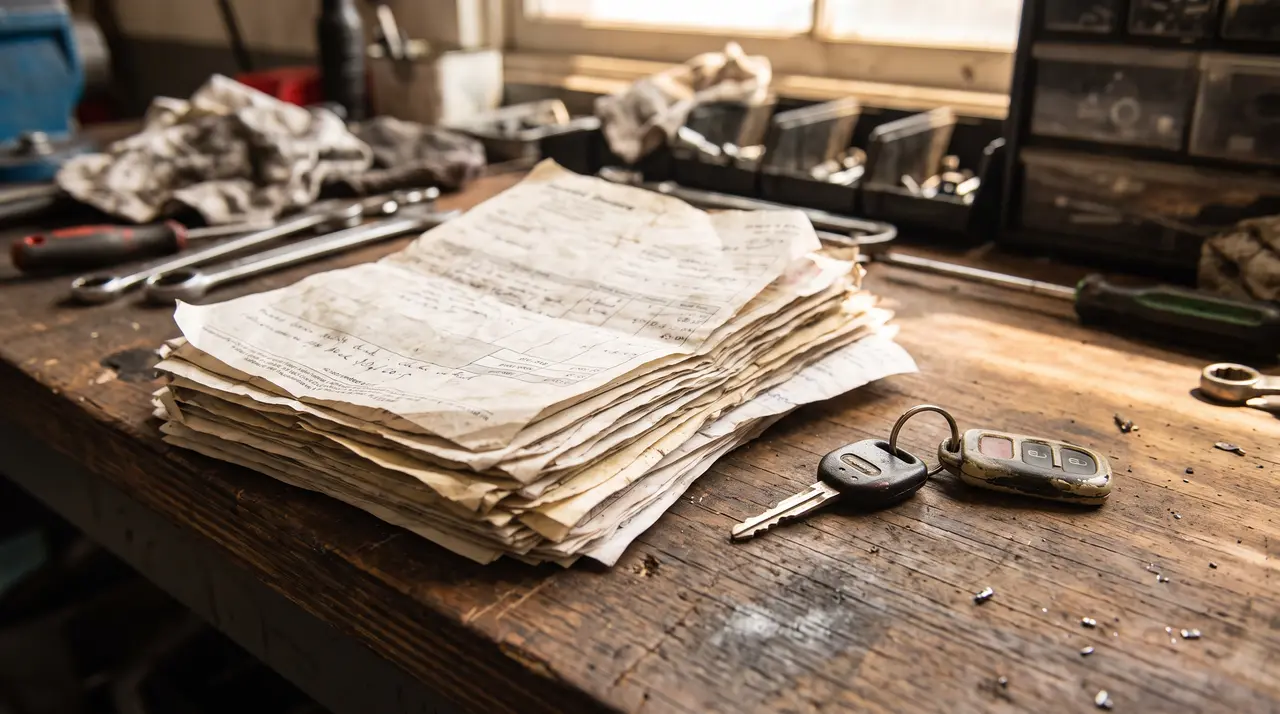
What a service history is worth when you sell
A dated service history helps a car sell faster and hold its price, because it answers the buyer's biggest question. What counts, and how to start late.
Want the whole list?
The free car maintenance checklist covers every system, with a printable PDF.